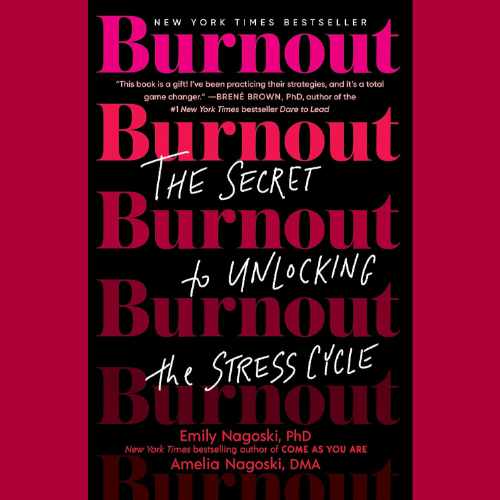
Earlier this year I was recommended this book. I won’t dive into the reasons too much but it’s safe to say I was burning out. If you work in tech you’ll be familiar with the term burnout.
I have never been piled with high urgency tasks and silly deadlines but I do put pressure on myself. At the time I was riding a wave of productivity. I wanted it to keep going. The more I agreed to, the more it didn’t feel right.
The book’s first distinction is to define stress versus stressors. It’s important to realise when we’re stressed and what we can do to fix that. This book teaches it well. In the short term, getting on top of your stress can give you just enough to get out of the cycle. The causes of stress are different things and need addressing. The difficulty is if you’re stuck in the cycle you won’t have the energy to be able to break it.
A great concept introduced earlier on is the Human Giver Syndrome. Typically a personality type that wishes to please others will burnout to these external demands. I have often been called a people pleaser, so it was validating to see that it’s not just me and that it’s a studied and identified principle of stress.
The book does a great job at teaching you how to complete your stress cycle. It’s not going to be the same for everyone. For me I know that creative expression is by far my most powerful outlet for fixing stress. If I’m deep in stress I find it difficult to get started. For example, writing this piece took a lot of effort despite my love for writing.
Ultimately stress is something that’s given to you. It’s a societal issue. We can’t control what other people do to us or the demands from the systems above. We control what we see as acceptable. If you’re stuck in a stressful environment you may need to get out. This isn’t always something that can be controlled. It may be something we need to endure to get to the next step.
One cheat code for stress is physical activity. I’ve started wearing a Fitbit to bed which tells me that my sleep is fragmented and poor and I lack basic exercise. I know this and I didn’t need another piece of tech and an virtual coach to tell me. My eating habits are inconsistent and my basic routine doesn’t exist. I react to everything rather than taking action. In a world where everyone is controlled by a smartphone this is problematic.
If we do something we love and we do it for the right reasons we won’t burn out. We become recharged by the things we do. It’s important to identify what recharges us and keep them at the forefront of our minds. It’s important to know why we’re doing them.
As always with my analysis it’s important to state that there is often more complexity than I’m sharing. I try my best to understand basic psychology and its impact on us as healthy humans. This book is a good reminder to stay out of trouble. Read it. And then read it again.